
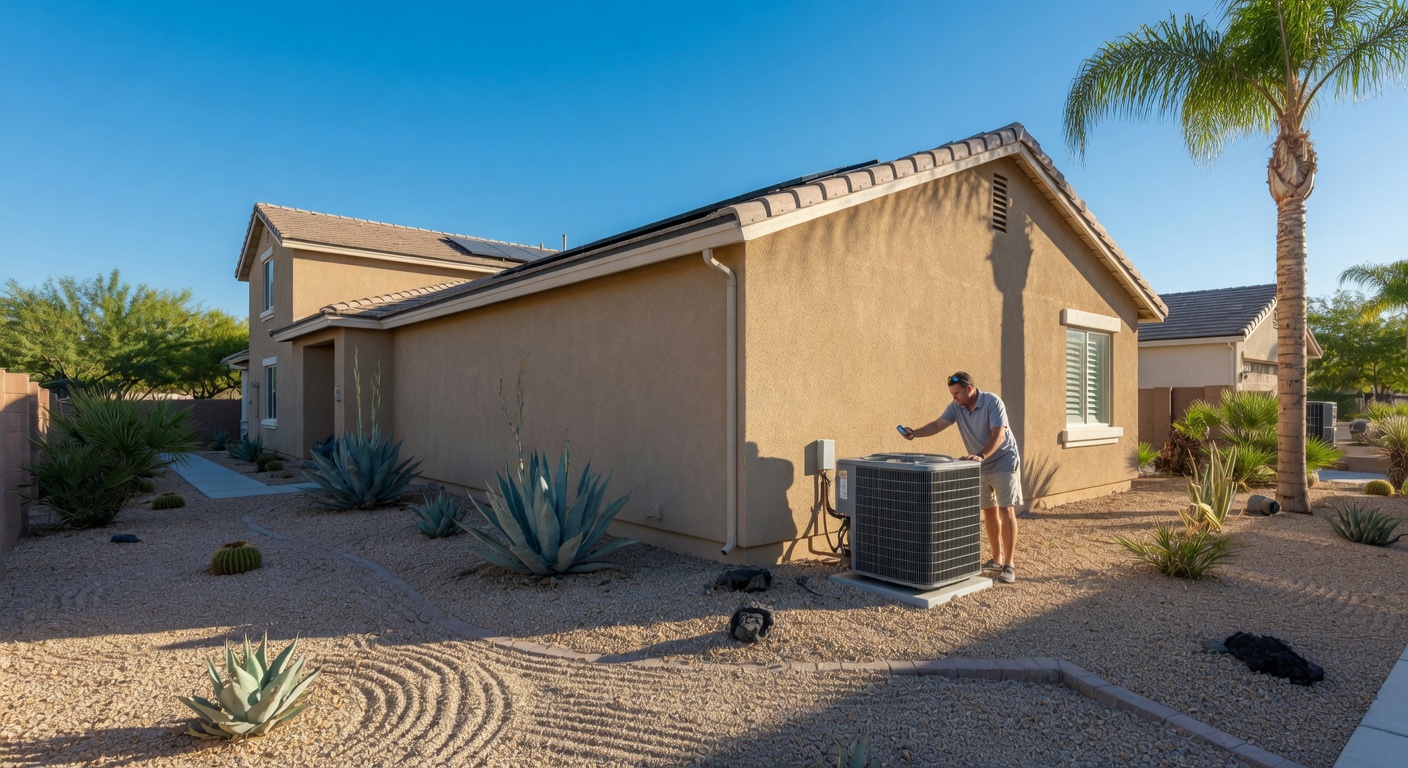
Living in the Las Vegas Valley means sunshine nearly every day of the year — and that is one of the reasons so many people choose to call southern Nevada home. But when summer temperatures routinely exceed 110°F, that relentless sun becomes the single biggest threat to your home's systems, structure, and long-term value. The difference between a well-maintained desert home and one that quietly deteriorates often comes down to a handful of seasonal habits that cost relatively little but save thousands in emergency repairs.
Whether you are a longtime homeowner or just closed on your first place in Summerlin, Mountain's Edge, or Henderson, this guide covers the essential summer maintenance priorities for every Las Vegas homeowner. Think of it as an investment in your equity — because a home that is well cared for is a home that holds its value.
HVAC: The Most Important System in Your Desert Home
In Las Vegas, your air conditioning is not a luxury. It is a critical life-safety system. An HVAC failure in August is not just uncomfortable — it can be dangerous. And the cost of an emergency replacement during peak season can run 20 to 40 percent higher than a planned repair in the spring.
- Schedule a professional tune-up by April or May. A certified technician will clean coils, check refrigerant levels, test electrical connections, and catch small problems before they become catastrophic failures.
- Change your air filters monthly. Las Vegas's dust and particulate levels clog filters faster than in most climates. A clogged filter forces your system to work harder, increases energy bills, and shortens the unit's lifespan. Most homes in the valley should use MERV-11 or higher filters.
- Keep outdoor condenser units clear. Ensure at least two feet of clearance around your outdoor AC unit. Remove debris, trim nearby vegetation, and gently rinse the condenser coils with a garden hose to remove dust buildup.
- Check your thermostat. If your system struggles to maintain temperature or cycles on and off frequently, the thermostat may need recalibration or replacement. A programmable or smart thermostat can reduce cooling costs by 10 to 15 percent.
The average HVAC system in Las Vegas lasts 12 to 15 years — shorter than the national average due to the extreme workload. A well-maintained system at the 12-year mark may still have several good years left. An neglected one may need a full replacement. The math is simple: a $200 annual tune-up can delay a $8,000 to $15,000 replacement by years.
Roofing and Stucco: Your Home's First Line of Defense
The Las Vegas sun is brutal on exterior surfaces. UV radiation breaks down roofing materials, fades paint, and causes thermal expansion and contraction that cracks stucco over time. A roof that would last 25 years in a milder climate may last 15 to 20 in the desert without proper maintenance.
- Inspect your roof twice a year. Look for cracked, curled, or missing shingles and damaged flashing around vents and chimneys. Flat roofs — common in southern Nevada — should be checked for ponding water, blisters, and membrane damage.
- Consider a UV-reflective roof coating. Reflective coatings can reduce roof surface temperatures by up to 50°F, lowering cooling costs and extending the life of your roofing material. Several southern Nevada utility providers offer rebates for energy-efficient roof upgrades.
- Check stucco for cracks. Thermal expansion in summer heat creates hairline cracks in stucco, particularly around windows, doors, and expansion joints. Small cracks can be sealed with elastomeric caulk. Larger cracks should be evaluated by a professional to prevent water intrusion during monsoon season.
Irrigation and Desert Landscaping
Water is a precious resource in southern Nevada, and the Southern Nevada Water Authority (SNWA) actively promotes water-efficient landscaping. Xeriscaping — using drought-tolerant plants, gravel, and efficient irrigation — is not just environmentally responsible; it is also the most cost-effective approach to maintaining your property's curb appeal in the desert.
- Inspect your irrigation system before summer. Check for leaks, broken heads, and misaligned sprinklers that water pavement instead of plants. Hard water mineral buildup clogs drip emitters — flush lines and replace clogged components.
- Water early in the morning. Irrigating between 4:00 AM and 8:00 AM reduces evaporation by up to 30 percent compared to midday watering. Most SNWA-recommended schedules call for watering two to three times per week during summer months.
- Mulch and ground cover matter. Two to three inches of decorative rock or gravel around plants reduces soil temperature, retains moisture, and prevents weed growth. Organic mulch breaks down quickly in desert heat, so rock is generally the preferred choice in Las Vegas.
- Take advantage of SNWA turf replacement rebates. The Water Smart Landscapes program offers rebates of $3 per square foot for converting grass to desert landscaping. For a typical 500-square-foot lawn conversion, that is $1,500 back in your pocket plus ongoing water savings of $200+ per year.
Pest Prevention During Monsoon Season
Las Vegas's monsoon season, typically running from late June through September, brings sudden humidity and rain to an otherwise arid climate. The combination of moisture and warmth creates ideal conditions for pest activity. Scorpions, ants, cockroaches, and termites are all common concerns in the valley.
Sealing entry points is your first line of defense. Inspect the perimeter of your home for cracks in the foundation, gaps around utility penetrations, and spaces under doors. Ensure window screens are intact. A professional pest control service — many offer quarterly treatments specifically designed for the Las Vegas climate — can provide a consistent barrier. The cost of quarterly pest control typically runs $150 to $300 per quarter, a small price compared to a termite repair that can run into thousands.
Swimming Pools and Outdoor Living
If your home has a pool — and roughly 30 percent of Las Vegas homes do — summer maintenance becomes especially critical. Evaporation rates in the desert are extreme; an uncovered pool can lose an inch or more of water per week during peak summer. This not only wastes water and money but can also cause chemical imbalances and surface damage.
- Invest in a pool cover. A quality pool cover can reduce evaporation by up to 95 percent and keep water temperatures more stable. The cover pays for itself in water savings within one to two summers.
- Test water chemistry weekly. High heat and UV exposure accelerate chemical breakdown. Chlorine levels, pH, and calcium hardness should be tested and balanced weekly to prevent algae growth and surface damage.
- Service your pool equipment. Pumps, filters, and heaters work overtime in summer. Clean or replace filter cartridges, check for leaks in plumbing connections, and ensure your pump is operating at the correct flow rate.
Energy Efficiency and Utility Costs
Summer electricity bills in Las Vegas can be jarring — the average household pays $200 to $350 or more per month during peak cooling season. Smart maintenance and small upgrades can make a meaningful difference.
Nevada Energy (NV Energy) offers several rebate programs that most homeowners are unaware of. The Energy Savings Assistance program provides free energy efficiency upgrades for qualifying households, including insulation, weather stripping, and smart thermostat installations. For all customers, the PowerShift program offers rebates for installing solar panels, battery storage, and energy-efficient appliances. A smart thermostat alone — which can be installed for $150 to $250 — typically saves 10 to 15 percent on annual cooling costs.
Additionally, check your home's insulation levels. Many homes built before 2009 in the Las Vegas Valley have insulation that falls below current energy code standards. Adding attic insulation is one of the highest-return energy investments a homeowner can make — the average cost is $1,500 to $3,000, and the energy savings can pay back the investment within two to three years.
The Bottom Line
Maintaining a home in Las Vegas is different from maintaining a home almost anywhere else in the country. The extreme heat, intense UV exposure, hard water, and desert pests create a unique set of challenges that require proactive attention. But the good news is that most of these maintenance tasks are straightforward, affordable, and have a direct impact on your home's comfort, efficiency, and resale value.
I have seen too many sellers lose tens of thousands of dollars at the closing table because of deferred maintenance that could have been prevented with a few hours of seasonal attention. Your home is likely the most valuable asset you own — treat it that way, and it will reward you for years to come.
If you are thinking about selling and want to know which maintenance upgrades will give you the strongest return, or if you are buying a home and want to understand what to watch for in desert property inspections, I am always happy to help. A quick conversation can save you a lot of money and stress down the road.
Summer upkeep differs by home age and ZIP: Summerlin (89135, 89138, 89144), Henderson (89002, 89012, 89014, 89015, 89044, 89052, 89074), and Mountain's Edge (89178) each have their own housing stock. See what is on the market on my live search: Search homes in the Las Vegas Valley.
Let me help you protect and maximize your home's value.
Whether you are preparing to sell, evaluating a purchase, or simply want to make smarter decisions about your property, I bring market knowledge and a genuine commitment to your financial well-being.