
The appraisal is the quiet step of a Las Vegas home purchase that can make or break your closing. It is an independent estimate of what your home is worth, produced by a licensed appraiser who has never met you, does not work for the seller, and does not care how much you two agreed on. Your lender uses that number to decide how much it will lend, and that single fact explains most of the anxiety around appraisals. Here is how the process works, what it costs, how long it takes, and what to do when the number comes in low.
I walk every one of my buyers and sellers through this step before it happens, because surprise is the enemy of a smooth escrow. Whether you are buying a first home in Mountain's Edge (89178), upgrading in Summerlin (89135), or selling a Henderson property in 89052, knowing the rules of the appraisal game puts you in control instead of at its mercy.
Who Orders the Appraisal, and Who Pays?
The lender orders the appraisal, almost always within a few days of the purchase contract being signed. They need it early enough to underwrite your loan, but the report is valid for a limited window, so timing matters. The buyer pays for it, usually when it is ordered or as a closing cost, even though the lender is the one who requested it. That is one of those facts of real estate that surprises people, so I always flag it early.
For a typical single-family home, the appraisal runs roughly $300 to $700, with larger homes, homes with casitas, and properties on unusual lots costing more on the high end. For conventional loans, the lender's automated systems can sometimes waive the appraisal entirely when their data on your neighborhood is strong, which saves both time and money. That waiver is a nice gift when it happens, but you cannot assume it, and FHA and VA loans rarely offer it.
What the Appraiser Actually Does
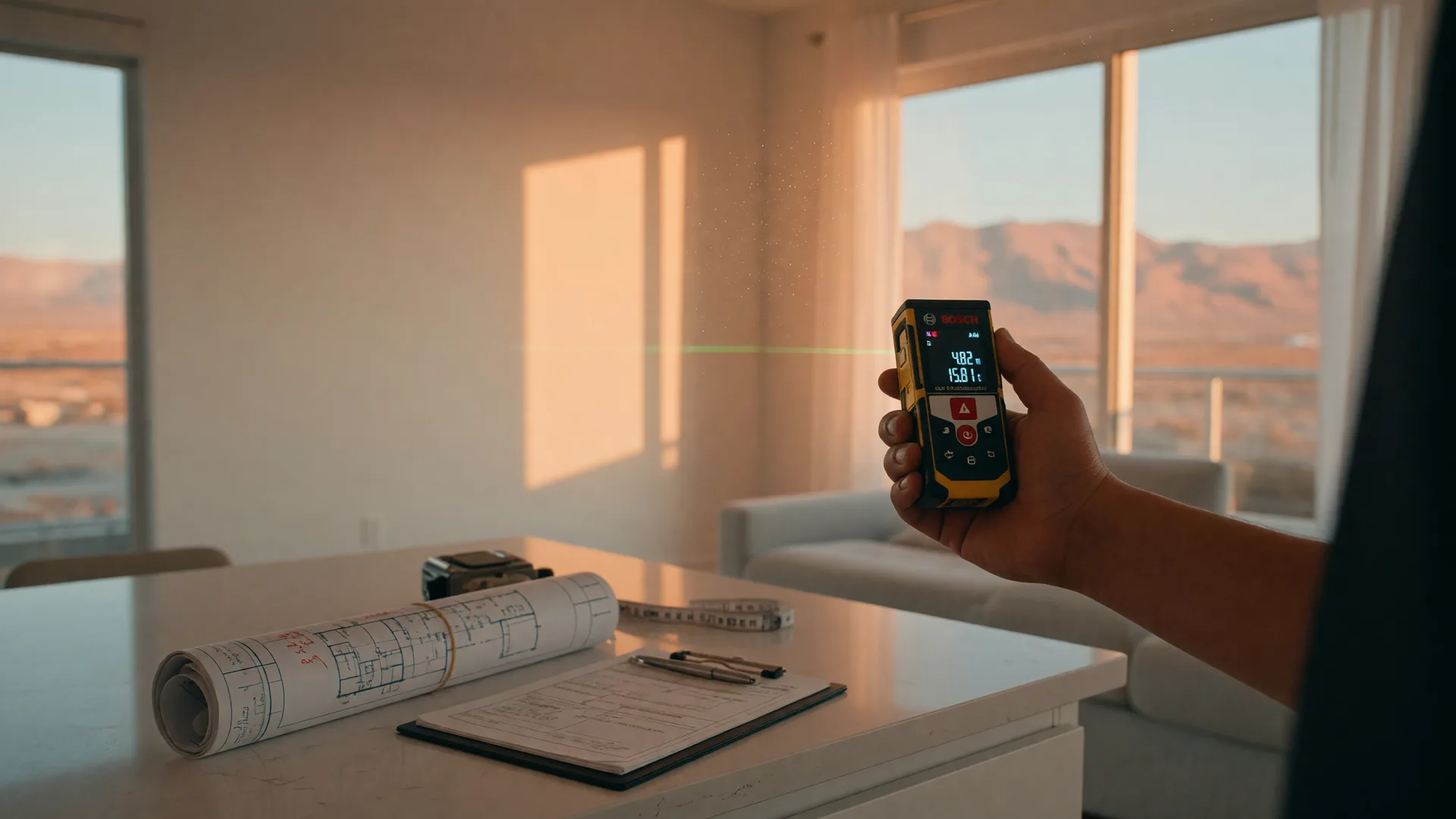
The on-site visit usually takes 30 to 60 minutes. The appraiser walks the property, measures and photographs each room, and notes the condition of the systems, the roof, the floor plan, and anything that adds or subtracts value: a pool, a covered patio, owned solar panels versus leased ones, a casita that could produce income, or a view of the Red Rock escarpment versus a view of the neighbor's wall.
Then comes the part that really matters: the comparables. The appraiser compares your home to recent closed sales of similar homes in the same neighborhood and ZIP code, making adjustments for differences in size, condition, upgrades, and lot. In the Las Vegas Valley, those comparisons are tightly localized, which is why two homes on opposite ends of the same master plan can appraise differently. A home in Summerlin's 89135 does not pull its comps the same way a home in Northwest Las Vegas's 89131 or Aliante's 89084 does. Each pocket has its own pattern.
How Long Does It Take?
Plan on one to two weeks from the day the appraisal is ordered. The visit itself is quick, and the written report typically follows within 3 to 10 business days after the visit. Your lender will want it back early in escrow so they can finalize the loan file, which is why the appraisal happens so soon after your offer is accepted rather than near closing.
If you are buying, help the process along by making sure your agent can confirm access to the property quickly. If you are selling, prepare for the visit the way you prepare for a showing: clean, decluttered, and ready. The appraiser is not judging your taste, but a well-cared-for home photographs as lower risk, and appraisers read condition conservatively.
The Appraisal Gap: When the Home Appraises Below Your Offer
Here is the rule that causes the most confusion: your lender will only lend based on the appraised value, not the offer price. If you agreed to pay $500,000 and the home appraises at $485,000, the lender will only finance against $485,000. The $15,000 difference is called the appraisal gap, and someone has to cover it.
Buyers usually handle a gap one of three ways: pay the difference in cash, ask the seller to reduce the price to match the appraisal, or meet in the middle. Your purchase contract's appraisal contingency is the safety net here. If you wrote the contingency in, and many Las Vegas buyers do, you can cancel and get your earnest money back when the appraisal comes in below the sales price. When buyers and sellers waive the appraisal contingency to make an offer more competitive, they take that protection away in exchange for leverage, and that is a trade I always make sure my clients understand before they sign it.
There is also a formal appeal called a reconsideration of value. If you believe the appraiser missed a comparable sale or overlooked a real upgrade, your loan officer can request a new review. These requests occasionally succeed, so it is always worth asking when the evidence is on your side. I have seen appraisals move on the strength of a good comparable that the appraiser simply had not pulled yet.
FHA Appraisals Have Their Own Rules
If you are buying with an FHA loan, the appraisal is stricter and the stakes are higher. FHA appraisals must be completed by an FHA-approved appraiser and also enforce HUD's minimum property requirements, which protect safety, soundness, and health. That means an FHA appraiser can require repairs before closing that a conventional appraiser would simply note and move on: broken windows, exposed wiring, peeling paint in older homes, or a handrail missing on a staircase.
FHA appraisals are also valid for 180 days and they travel with the property. If you back out and the next buyer also uses FHA financing, they can often reuse your appraisal instead of paying for a fresh one. And thanks to the FHA amendatory clause, an FHA buyer whose home appraises below the sales price has the right to cancel and recover their earnest money. These protections are part of why FHA remains the most common path for first-time buyers across the valley, from Henderson's 89002 to the newest developments in the southwest corridor.
What Sellers Can Do Before the Appraiser Arrives
If you are selling, you have more influence over this step than you might think. Give your agent a list of meaningful upgrades with dates and receipts: a new roof, replaced HVAC, owned solar, upgraded kitchen countertops, a resurfaced pool. Appraisers can only give credit for improvements they know about, and a dated receipt is how they verify it.
Pricing strategy also matters. A listing priced right against recent closed sales sets the appraisal up for success. A home priced well above its neighborhood's comps in a fast-appreciating pocket can appraise below the contract, which stalls the sale and sends everyone back to the table. That is why I study the appraised and closed numbers in the exact ZIP code before we ever settle on a list price, whether we are listing in Summerlin (89135), the Northwest Valley (89149), or Aliante (89084).
The same process applies if you are refinancing or using a home equity line of credit. The lender orders the appraisal, you pay for it, and the appraised value shapes how much equity you can access. The difference is that a refinance appraisal is about your home alone, so the prep work, the receipts, and a tidy property matter just as much.
Know Your Number Before You Sign
The best way to avoid appraisal heartbreak is to go into the transaction with realistic expectations about value. Before you write an offer, your agent should show you the recent closed sales, the price-per-square-foot trends, and the pending inventory in that exact ZIP so you know whether your offer is aggressive, fair, or a stretch that may hit an appraisal gap.
Use my branded search portal to see current listings across every community I serve, and filter by the ZIP codes we talked about: Summerlin 89135 and 89138, Henderson 89052 and 89002, Mountain's Edge 89178, Northwest Las Vegas 89131 and 89166, and Aliante 89084. When we compare what is on the market against what has recently closed, the appraisal stops being a mystery and becomes just another number we planned for together.
Real estate closings are built on realistic numbers, honest communication, and a little patience. The appraisal is where all three come together. Bring me your questions early, and we will handle this step the way every step should go: calmly, confidently, and with your financial future protected.
Know Before You Offer
Let's look at the numbers before you sign anything.
I will show you the closed sales in your target ZIP, help you price or offer with the appraisal in mind, and guide you through every contingency in the contract. That is the education-first way I work.