
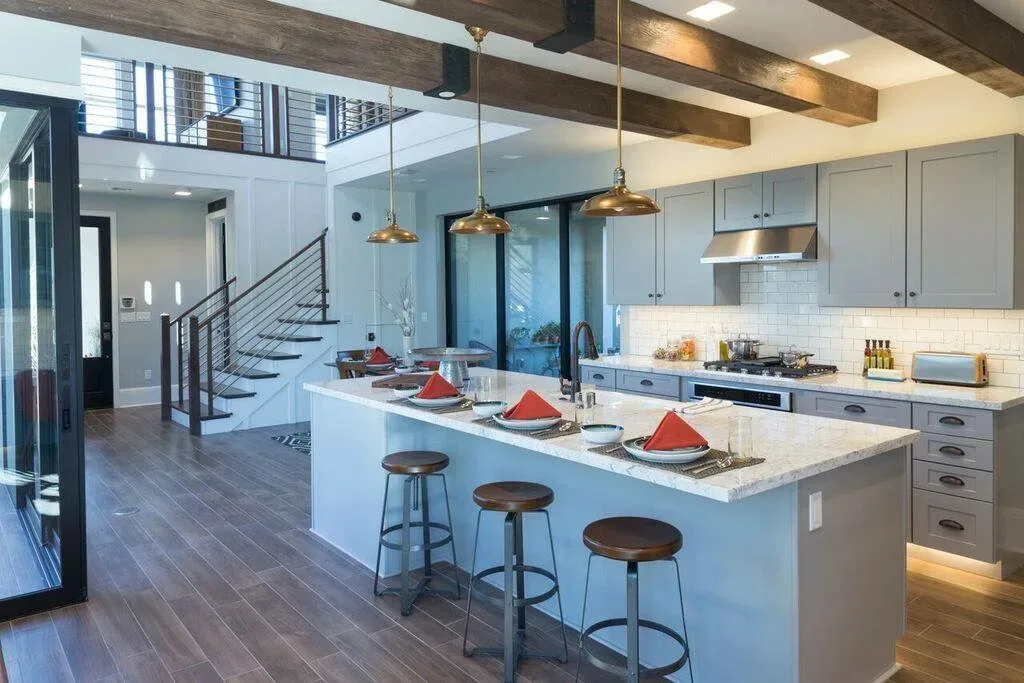
The kitchen is the room buyers judge first, the one where they picture their mornings, their homework, their whole life. So it is natural to assume that remodeling it before you sell will pay you back. The data says the opposite for big remodels: the 2025 Cost vs. Value Report found that a minor midrange kitchen remodel recouped about 113% of its cost nationally, while a major midrange kitchen remodel recouped only about half. This guide breaks down the numbers, what actually counts as a minor kitchen remodel, and the upgrades Las Vegas buyers notice in your price range.
I have watched sellers spend $80,000 on a kitchen months before listing, and I have watched sellers spend $8,000 and get the same offer. The difference is not luck; it is knowing which work the buyers in your ZIP actually pay for. A kitchen that is clean, light, and current sells. A kitchen that is a monument to someone else’s taste is just another remodel the next owner has to live with.
The Numbers: Minor vs. Major Kitchen Remodel
The 2025 Cost vs. Value Report, produced by Zonda and the Journal of Light Construction, tracks what typical remodeling projects cost and how much resale value they add. Nationally, a midrange minor kitchen remodel runs about $28,458 and adds roughly $32,141 to resale value, which means it recoups about 113% of its cost. The report’s Mountain region, which includes Nevada, showed the same story: about $28,490 spent, about $31,417 added, roughly a 110% recoup. Now the flip side: a midrange major kitchen remodel costs about $82,793 nationally and adds roughly $42,130, a recoup of only about 51%. Those are estimates for typical projects, not promises for your specific kitchen, but the pattern has held across years and regions: refresh, refresh, refresh, do not gut.
What Counts as a Minor Kitchen Remodel
In the report’s definition, a minor midrange kitchen remodel is a cosmetic refresh, not a demolition project. Think of it as: new cabinet fronts or a professional reface, or re-painting existing cabinets, new midgrade laminate or quartz countertops, a middle-of-the-line sink and faucet, energy-efficient replacement appliances in a matching style, new resilient or wood-look flooring, and fresh paint, all in a kitchen of about 200 square feet. It is roughly the difference between making the kitchen match today’s expectations and rebuilding the kitchen around them. Buyers cannot tell whether you refaced or replaced, only whether it looks maintained and current, which is exactly the point.
What Las Vegas Buyers Expect, By Price Range
The right kitchen scope depends on the neighborhood you are selling in. In Summerlin’s newer villages (89138, 89135), buyers tour kitchens that are already upgraded and compare yours against them, so stone or quartz counters, an island with seating, and stainless appliances are close to table stakes. In Mountain’s Edge (89178) and Aliante (89084), where much of the buyer pool is families buying their first or second home, clean, light, and functional wins the day, and you genuinely do not need premium fixtures to get top dollar. In older established areas like Henderson’s 89002 or The Lakes in 89117, a bright midrange refresh bridges the age gap between the home and the buyers’ expectations. Search homes in your neighborhood and look at what recently sold kitchens boast versus what sits stale, and you will see the pattern instantly.
The Projects That Matter Most Before You List
If you want the highest return for the least money, this is the order I recommend. First, deep clean everything, and pay special attention to grime around the cooktop, the vent hood, and the cabinet fronts; nothing ages a kitchen faster than grease. Second, refresh the cabinet fronts or repaint them in a light neutral and swap the hardware; this single move changes the entire room’s age. Third, replace dated laminate or damaged counters with a clean midprice option, and install a matching backsplash. Fourth, upgrade the faucet and lighting so the room feels crisp, then replace mismatched appliances with a matching stainless line if the budget allows. Each of these steps is small on its own, but together they move the kitchen from “tired” to “maintained,” which is where the value is.
The Projects to Skip Before You Sell
The full gut is the big one to resist. If a buyer walking in for the first time is going to see a $40,000 island with mahogany and marble, they are also going to assume every other system in the house was updated, and they will inspect accordingly. Moving walls, relocating plumbing, adding a pantry you have always wanted, and installing luxury appliances are projects you do for yourself, not for the sale. The same logic applies to over-personalizing: custom tile colors and statement fixtures appeal to you and your specific taste, and they cost as much as the neutrals that appeal to everyone. When the goal is a sale, the kitchen should be a blank, bright canvas that any buyer can see themselves in.
When a Major Remodel Actually Makes Sense
There are two honest exceptions. If you plan to live in the home for years before you sell, remodel whatever you want and enjoy it; the resale math is a bonus, not the reason. And if the kitchen is structurally damaged, water-damaged, or so dated that buyers would mentally subtract the cost of a full redo from their offer, then a major remodel can still be the right call because the alternative is selling at a deep discount. The reports were never saying “never remodel the kitchen.” They are saying the return is lopsided, heavily favoring the refresh, and you should spend accordingly.
If you are deciding what to do before listing, start with what your neighborhood expects, not what your Pinterest board wants. I will walk your kitchen with you, tell you honestly which upgrades the buyers in your ZIP will pay for, and connect you with vendors who do clean midrange work at realistic prices. See current listings in your area and let us study the competition together.
Spend Where It Shows
Let’s plan your pre-listing kitchen.
A quick walkthrough and a look at what sold in your neighborhood is all it takes to build a to-do list that protects your equity and attracts better offers.