
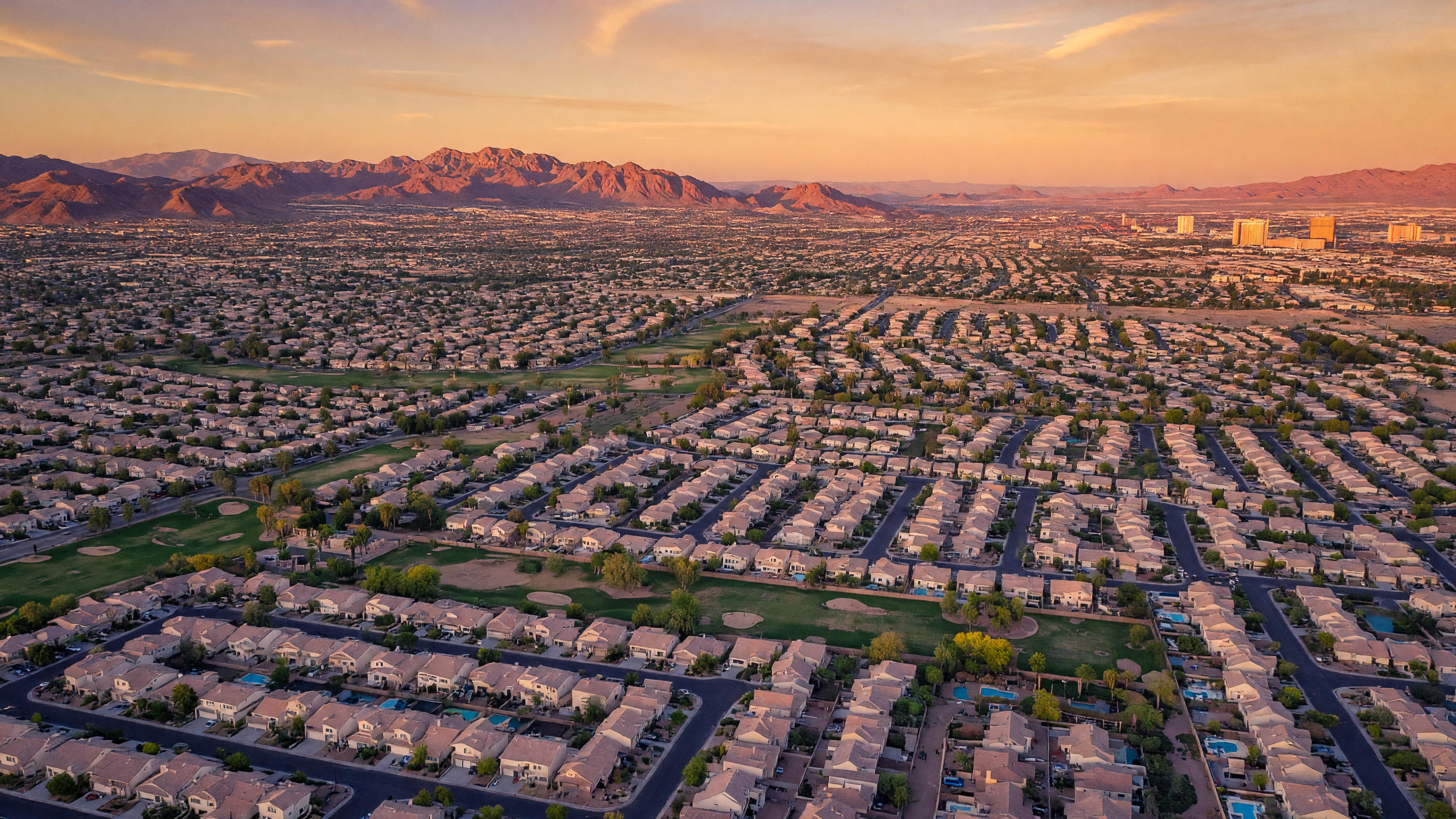
One of the most important conversations I have with my clients — especially first-time buyers — is the one about the full picture of homeownership costs. The mortgage payment is the headline number, but it is never the whole story. Between property taxes, HOA fees, desert-climate utilities, homeowners insurance, and the maintenance demands of owning a home in one of the hottest environments in the country, the total monthly cost of owning a home in Las Vegas is meaningfully higher than the principal and interest payment alone.
Understanding these costs upfront is not meant to discourage you from buying — quite the opposite. When you know exactly what you are budgeting for, you can make smarter decisions, avoid surprises, and build wealth through homeownership with confidence. Here is a complete, honest breakdown of what it actually costs to own a home in the Las Vegas Valley in 2026.
1. Property Taxes: Nevada's Hidden Advantage
Nevada has some of the lowest property tax rates in the country, and this is a genuine advantage for Las Vegas homeowners. The effective property tax rate in Clark County averages between 0.55 and 0.65 percent of a home's assessed value, which is significantly below the national average of approximately 1.1 percent.
For a home valued at $450,000, that translates to roughly $2,070 to $2,925 per year, or about $172 to $244 per month. Compare that to a homeowner in California paying 1.1 to 1.25 percent on a comparable property, and you can see why so many relocators from high-tax states find Nevada attractive.
Important note: Nevada reassesses property values annually, so your tax bill can change year to year. If your home appreciates significantly, your property taxes will increase proportionally. I always recommend that buyers factor in a 3 to 5 percent annual increase in property taxes when planning their long-term budget.
2. HOA Fees: The Cost of Community Living
Most homes in the Las Vegas Valley — particularly in master-planned communities like Summerlin, Mountain's Edge, Henderson's Cadence and Inspirada, and Aliante — are part of a homeowners association. HOA fees cover common area maintenance, landscaping of shared spaces, community amenities like pools and parks, and in some cases, trash collection and security.
In 2026, HOA fees in the Las Vegas Valley vary widely:
- Basic single-family communities: $60 to $150 per month — covers common area landscaping, basic park maintenance, and community gates if applicable.
- Full-amenity master-planned communities: $150 to $300 per month — includes pools, fitness centers, community centers, trails, and extensive landscaping.
- Luxury communities: $300 to $850 per month — gated entries, golf courses, concierge services, and premium amenity packages.
- Condos and townhomes: $200 to $500 per month — typically higher because they include exterior maintenance, roof, and sometimes water and sewer.
What to watch for: HOA fees tend to increase over time as communities age and maintenance costs rise. Before purchasing, I always recommend reviewing the HOA's financial reserves, meeting minutes, and any pending special assessments. A community with underfunded reserves is a red flag — it means a large special assessment could be coming to cover deferred maintenance.
3. SID and LID Bonds: The Fee Most Buyers Forget
This is one of the most overlooked costs in Las Vegas homeownership, and it catches many first-time buyers off guard. SID (Special Improvement District) and LID (Local Improvement District) bonds are fees that homebuyers in newer developments pay to cover the cost of infrastructure — roads, sidewalks, water lines, sewer systems, and streetlights — that the developer built and the county eventually takes over.
These bonds are typically repaid over 20 to 30 years and are assessed annually. In the Las Vegas Valley, SID/LID fees can range from a few hundred dollars per year to over $2,000 per year, depending on the development and the amount of infrastructure involved. They are in addition to your mortgage, property taxes, and HOA fees.
Why it matters: If you are buying a new construction home or a resale in a newer community, always ask whether SID/LID bonds are attached to the property and how much the annual assessment is. This cost is sometimes rolled into the closing process, but it continues for the life of the bond and is not optional.
4. Homeowners Insurance: Rising in Nevada
Homeowners insurance in Nevada has been trending upward, driven by increasing rebuild costs, weather-related claims across the West, and rising reinsurance premiums for carriers. In 2026, the average annual premium for a standard homeowners policy in the Las Vegas Valley is approximately $1,300 to $2,200, depending on the home's value, age, construction type, and coverage level.
For a $450,000 home, you can expect to pay roughly $1,600 to $1,800 per year, or about $133 to $150 per month. If your home is in a flood zone or requires earthquake coverage (yes, Nevada does sit near fault lines), those riders will add to the cost.
Tip: Shopping your insurance policy every two to three years is one of the easiest ways to save money. I have seen clients reduce their premiums by $300 to $500 per year simply by comparing quotes from three or four carriers. Your coverage should not change — just the price.
5. Utilities: The Desert Climate Tax
Las Vegas summers are brutal, and your utility bill reflects it. The average monthly utility cost for a typical Las Vegas home in 2026 is approximately $320 to $330 per month. That includes electricity, natural gas, water, sewer, and trash collection. However, the seasonal variation is dramatic:
- Summer (June–September): $400 to $550+ per month — air conditioning running nearly 24/7 drives electricity costs to their peak. Homes with older HVAC systems or poor insulation can see even higher bills.
- Winter (December–February): $150 to $220 per month — mild winters keep heating costs low, and overall usage drops significantly.
- Spring/Fall: $250 to $320 per month — shoulder seasons are the most affordable months for utilities.
How to manage it: The single most impactful thing you can do is invest in a high-efficiency HVAC system. Southern Nevada Energy Efficiency programs and NV Energy rebates can offset part of the cost. Additionally, desert landscaping (xeriscaping) can dramatically reduce your water bill — a major factor in a region where outdoor watering accounts for up to 60 percent of residential water use.
6. Maintenance: The Budget Most People Skip
The general rule of thumb is to budget 1 to 2 percent of your home's value per year for maintenance and repairs. On a $450,000 home, that is $4,500 to $9,000 per year, or roughly $375 to $750 per month set aside in a savings account. Here is what that money typically goes toward in a Las Vegas home:
- HVAC servicing and repair: Filter changes every 4 to 6 weeks in summer, professional servicing twice a year, and full system replacement every 12 to 15 years ($7,500 to $16,000 for replacement).
- Irrigation and plumbing: Desert soil shifts can crack irrigation lines. Water heater flushes, faucet repairs, and minor plumbing fixes are routine.
- Roof and exterior: UV exposure degrades roofing materials faster in Las Vegas than in most of the country. Inspect your roof annually and budget for repairs or replacement every 15 to 20 years.
- Paint and cosmetic upkeep: Interior and exterior paint fades and chips faster in desert heat. Budget for repainting every 5 to 7 years.
- Pest control: Scorpions, ants, and termites are real in the desert. Regular pest control service runs $40 to $80 per month.
7. Putting It All Together: The Real Monthly Number
Let me put it all together with a realistic example. For a $450,000 single-family home in a master-planned community with an HOA, purchased at today's rates:
- Mortgage (P&I at 6.2%, 30-yr fixed) $2,760
- Property Taxes (avg. 0.6%) $225
- Homeowners Insurance $150
- HOA Fees $175
- SID/LID Bond Assessment $75
- Utilities (annualized avg.) $325
- Maintenance Reserve (1.5% annually) $563
- Total Estimated Monthly Cost $4,273
That total — $4,273 per month — is roughly 55 percent more than the mortgage payment alone. This is why I am so passionate about making sure my clients understand the full picture before they commit. It is not that homeownership is unaffordable — it is that budgeting only for the mortgage payment creates a false sense of what you can comfortably spend.
How to Keep Costs Manageable
Knowing the full cost picture is the first step. Here are practical strategies to keep those costs under control:
1. Get a pre-purchase home inspection. A thorough inspection will identify potential maintenance issues — aging HVAC, roof condition, plumbing vulnerabilities — before they become expensive surprises. In Las Vegas, I always recommend a termite and pest inspection in addition to the standard home inspection.
2. Ask about HOA financial health. Before closing, review the HOA's reserve study, budget, and any pending special assessments. A community with healthy reserves (at least 70 percent funded) is far less likely to hit you with a surprise $5,000 assessment.
3. Invest in energy efficiency early. The payback on a high-efficiency HVAC system, smart thermostat, or solar panels is faster in Las Vegas than almost anywhere in the country. NV Energy offers rebates for qualifying upgrades, and the monthly savings compound quickly.
4. Build a maintenance fund from day one. Set up an automatic monthly transfer of $400 to $600 into a dedicated savings account. When the HVAC needs servicing or the roof needs a repair, you will have the funds ready without stress.
5. Shop insurance every few years. Loyalty does not always pay in insurance. Compare quotes regularly and make sure your coverage keeps pace with your home's value.
Why This Matters for First-Time Buyers
If you are a first-time buyer, this breakdown might feel overwhelming. But here is the perspective I want you to take away: every one of these costs is building your wealth. Your mortgage payment is building equity. Your property taxes fund the schools and infrastructure that keep your neighborhood desirable. Your HOA fees maintain the amenities that protect your property value. Even your maintenance reserve is an investment in the longevity of your most valuable asset.
The key is knowing the numbers so you can plan for them. Homeownership is the most powerful wealth-building tool available to most Americans, and Las Vegas remains one of the most affordable major metros in the West. Understanding the full cost picture does not change the equation — it just makes you better prepared to succeed.
If you are thinking about buying a home in the Las Vegas Valley and want to walk through the real numbers — not just the mortgage estimate, but the full monthly picture — I am here to help. I believe in transparency, and I want every client to feel confident and prepared before they sign on the dotted line. Let us sit down and build a budget that works for your life.
True cost varies by ZIP: Summerlin (89135, 89138, 89144), Henderson (89002, 89012, 89014, 89015, 89044, 89052, 89074), Mountain's Edge (89178), and Aliante (89084) each have different price and HOA profiles. Run your budget against live listings on my search: Search homes in the Las Vegas Valley.
Let us build a budget you can feel confident about.
I will walk you through every cost of homeownership — from mortgage to maintenance — so you know exactly what to expect. No surprises, no pressure. Just honest numbers and a plan that works.