
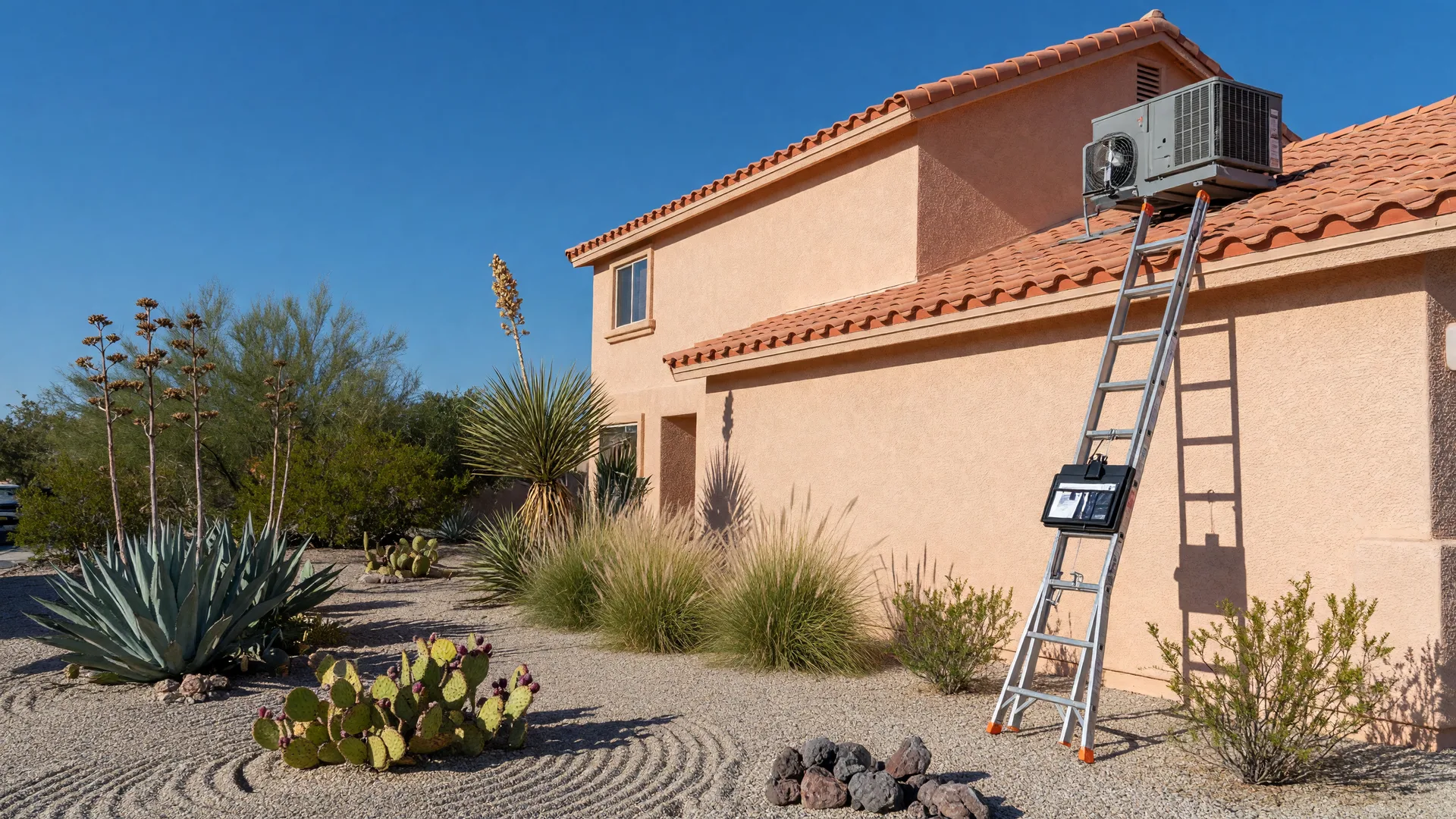
A pre-listing inspection is a home inspection you order yourself, before your house ever goes on the market, so you know exactly what a buyer's inspector is likely to find. This guide explains what it costs in Las Vegas, what inspectors typically find in desert homes, and why paying for that knowledge usually strengthens your sale. If you are thinking about selling in the Las Vegas Valley, this is the step that turns surprises into strategy.
I have sat through enough buyer-side inspections to know how quickly an unexpected finding can reshape a negotiation. A buyer's inspector walks through with a checklist, a camera, and no loyalty to anybody, and whatever they find becomes the starting point for repair requests. The sellers who handle this best are the ones who already know the report's contents, because they ordered it first.
What a Pre-Listing Inspection Is, and What It Costs
A standard home inspection in the Las Vegas area typically runs about $350 to $600, with most local inspectors pricing by square footage: roughly $369 to $440 for homes under 2,000 square feet, about $389 to $550 for 2,000 to 2,500 square feet, and up to roughly $530 to $660 for homes over 3,000 square feet. Condos usually come in lower, around $300 to $344. Add-ons like a sewer scope, pool inspection, or radon test raise the total, and those add-ons are often worth every dollar.
Compared with the cost of a surprise negotiation, this is the cheapest insurance you will buy. One caught issue, handled on your timeline instead of a buyer's contingency window, can save you far more than the inspection fee.
What Inspectors Find in Las Vegas Desert Homes
Every market has its own inspection patterns, and Las Vegas is famous for a handful of them. The desert climate is hard on houses, and knowing the usual suspects helps you interpret your own report with perspective instead of panic.
The air conditioner is the number one finding. Our cooling season runs half the year, and that heat-cycle stress shortens AC life to roughly 10 to 15 years in the desert, compared with 18 to 22 years in milder climates. Inspectors commonly flag aging condensers, failed capacitors, dust-clogged coils, and refrigerant types being phased out. A full AC replacement can run $8,000 to $25,000, which is exactly why a buyer's inspector always checks the condenser first and why you should know its age before you list.
Roofs take a beating from intense UV and monsoon wind. Expect attention on cracked or lifted tile and shingles, degraded flashing and ridge caps, and flat-roof membrane condition. On stucco homes, thermal cycling opens hairline cracks and can allow moisture behind the finish. The water heater is another desert casualty: hard water and sediment buildup shorten its life to roughly 6 to 10 years here, versus 10 to 12 in softer-water climates. And because Nevada's soils include caliche and expansive clays, inspectors watch for settling, foundation cracks, slab leaks, and grading that pushes water toward the house.
None of this means your home is broken. It means you now know the conversation buyers will have about your home, and you get to write your side of it.
Why Smart Sellers Inspect First
Ordering the inspection before you list changes the entire sales process in five concrete ways. First, you price with facts. When a listing is priced knowing that the AC is near the end of its life or that the water heater is 12 years old, there are no surprises built into the number, and the asking price already reflects reality.
Second, you control the repair conversation. The difference between fixing a $600 irrigation valve before listing and hearing about it mid-escrow is not the cost, it is the timing and the tone. Handled early, a finding is a footnote. Discovered by the buyer's inspector, the same finding arrives with the emotion of a new negotiation.
Third, it keeps you honest on the disclosure. Nevada requires sellers to complete a Seller's Real Property Disclosure documenting known material defects, and a buyer can cancel or renegotiate based on what that form reveals. Your own inspection report is the best possible way to know what you know, and an honest, thorough disclosure is your strongest protection against issues resurfacing after closing.
Fourth, it is a marketing asset. A fresh inspection report shared with serious buyers, presented as "here is the condition of this home, in full transparency," shortens negotiations and builds instant trust. Buyers who would otherwise worry about what the inspector will find can see, in black and white, that there is no landmine waiting.
Fifth, it protects your escrow timeline. The inspection contingency is one of the most common places a deal stalls. When you have already inspected, repaired what you will repair, and priced for what you will not, the buyer's inspection becomes a formality instead of a cliff.
How the Playbook Works
If a pre-listing inspection sounds right for you, here is the sequence I walk sellers through. Book the inspection two to four weeks before your planned list date, so you have time to act on the findings. Ask the inspector for a condition rating on every major system, not just a list of problems, so you know what is minor, what is moderate, and what a buyer will care about most.
Then decide, one line at a time: fix it, disclose it, price for it, or credit it. Small safety items like smoke detectors, GFCI outlets, or a drip valve are cheap to fix and look great on the final report. Mid-size items like an aging water heater or a patch of rotted trim are classic repair-or-credit decisions, where the honest math is what the repair costs versus what the concession does to your net. Big-ticket items like HVAC or roof life are usually best handled by pricing and disclosure, with the age and condition documented up front.
Finally, keep receipts. Buyers and their agents appreciate a written record of what was done, when, and by whom. A folder with the inspection report, the receipts, and your completed disclosure form makes your listing look like the easiest transaction on the block, and easy transactions win.
When a Pre-Listing Inspection Does Not Make Sense
There are honest exceptions. If your home is new construction still covered by the builder's warranty, the buyer's inspector will find little worth negotiating, and the builder usually stands behind covered items. If you are selling a home that clearly needs major renovation and the price already reflects as-is condition, an inspection report mostly confirms what the marketing already says. And if you already have a documented maintenance history with recent service records on every major system, you may know more than the report would add.
For most homeowners, though, the question is not whether you can afford a few hundred dollars for the inspection. It is whether you can afford to let a buyer's inspector discover your home's story before you do. Knowledge first, always.
Thinking about selling in Summerlin (89135, 89138), Henderson (89002, 89052), Mountain's Edge (89178), Aliante (89084), or the Northwest Valley (89131, 89149)? Search current listings in your area to see how comparable homes are presented and priced, and I will help you compare what the finished ones did right. When we sit down, I will walk you through the pre-listing inspection decision for your specific home, the disclosure form line by line, and a pricing strategy that leaves nothing to chance.
Selling a home in Las Vegas does not have to be a gamble. The sellers I love working with are the ones who choose to know everything before the sign goes in the yard, and the inspection is where that confidence begins.
Sell With Confidence
Let's get your home ready for the market, inspections included.
I will help you decide whether a pre-listing inspection fits your home, review the report with you system by system, and build a pricing and disclosure strategy that turns knowledge into leverage.